The Different Types of Services a Funeral Celebrant Can Officiate
A funeral celebrant plays a crucial role in helping families honour and remember their loved ones in a way that is meaningful and personal. Whether the deceased had religious beliefs or preferred a non-traditional approach, or wanted a joyous celebration of their life, a funeral celebrant can tailor the service accordingly. Here are some of the most common types of services a funeral celebrant can officiate.
1. Traditional Funerals
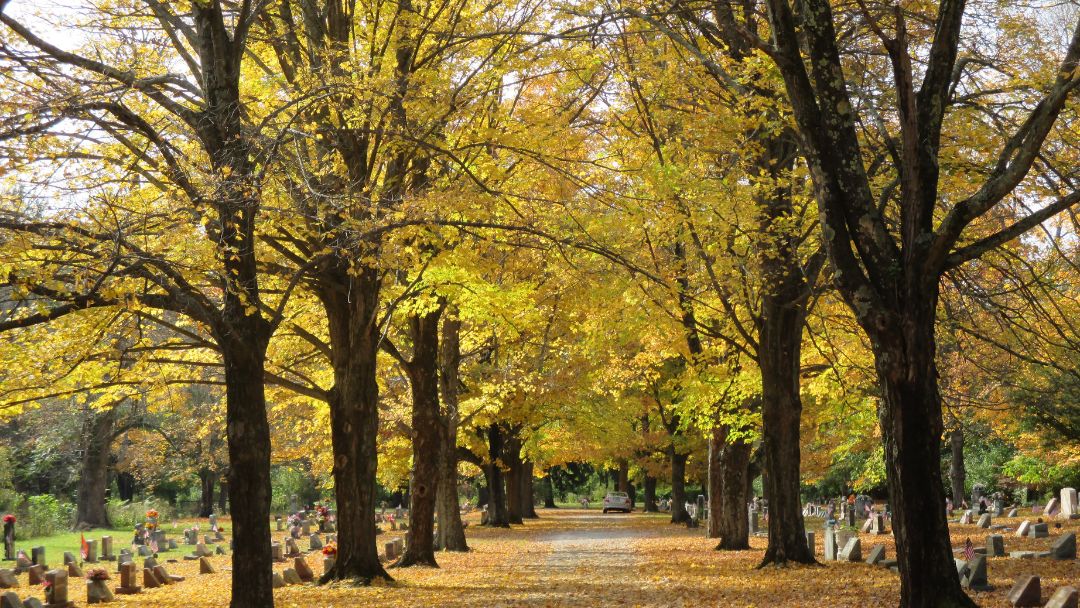
Traditional funerals often follow a structured format and may include religious or spiritual elements, depending on the family’s preferences. These services typically take place at a crematorium, church, or cemetery and may include:
Readings from religious texts or poetry
Eulogies and personal tributes
Hymns or music selections
Prayers or moments of reflection
A funeral celebrant works closely with the family to incorporate meaningful rituals while ensuring the service is a heartfelt tribute to the deceased.
2. Memorial Services
Unlike traditional funerals, memorial services take place after the burial or cremation. These services focus on celebrating the life of the deceased rather than the formalities of the funeral process. They can be held in various locations, including family homes, gardens, or community halls. Elements of a memorial service might include:
A photo or video tribute
Shared stories and personal memories
Music that was significant to the deceased
Symbolic gestures like lighting candles or releasing balloons
Memorial services provide flexibility and allow families to commemorate their loved one in a more relaxed setting.
3. Celebrations of Life
Celebrations of life differ from traditional funerals in that they focus on joyfully remembering the deceased rather than mourning their loss. These services are typically more informal and personalized, featuring:
Uplifting stories and humorous anecdotes
Favorite songs, hobbies, or activities of the deceased
Themed decorations or dress codes to reflect their personality
Creative tributes such as slideshows or memory tables
A funeral celebrant ensures that the event remains a positive and respectful celebration while allowing attendees to honor their loved one in a meaningful way.
4. Scattering of Ashes Ceremonies
For those who opt for cremation, a scattering of ashes ceremony can be a poignant way to say a final goodbye. A funeral celebrant can guide the family through this intimate event, which may include:
Choosing a meaningful location (e.g., a favorite park, beach, or garden)
Sharing personal reflections or reciting a special reading
Playing meaningful music
Conducting a moment of silence or symbolic gesture such as releasing flowers
By customising the ceremony, a celebrant helps families create a heartfelt tribute to their loved one in a location that held significance for them.

Why Choose a Funeral Celebrant?
Funeral celebrants provide an alternative to religious officiants, offering personalized services that cater to the unique wishes of the deceased and their family. Whether the service is traditional, contemporary, or completely customized, a celebrant ensures that every aspect reflects the life and legacy of the departed. A celebrant can also deliver the ceremony alongside the priest or minister.
Final Thoughts
Every individual is unique, and their final farewell should reflect the life they lived. A funeral celebrant helps families create a ceremony that honours their loved one in a respectful and meaningful way. Whether you prefer a traditional funeral, a joyful celebration of life, or an intimate ashes-scattering ceremony, a funeral celebrant can guide you through the process with care and compassion.
If you are planning a service and want a personalized approach, consider working with a funeral celebrant to ensure a tribute that truly reflects your loved one’s life.